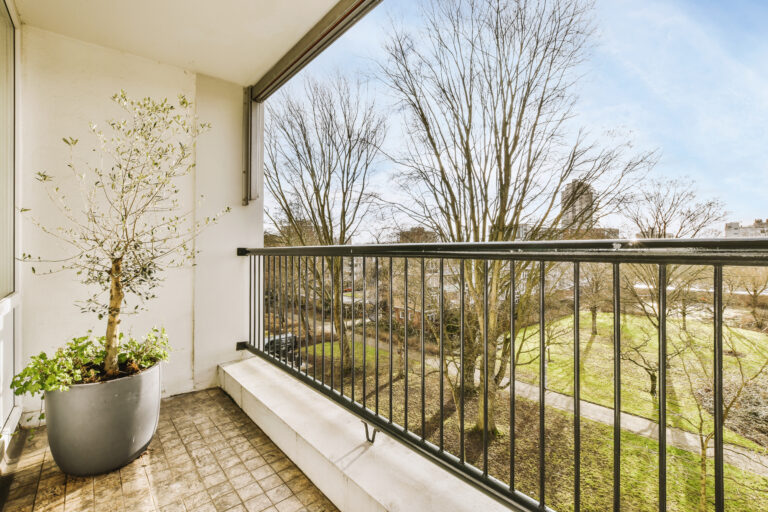



Studio apartments, by their very definition, present a unique set of spatial challenges. The compact nature of a single, multi-purpose room means that every square inch must be utilized with precision and foresight. When these studio apartments are equipped with attic storage, a previously underutilized vertical dimension transforms into a valuable asset, offering a tangible solution to the perennial problem of limited living space. This article will explore the multifaceted strategies for leveraging attic storage within a studio apartment, examining its potential as a practical and integrated component of efficient living.
Attic spaces, often perceived as dusty repositories for forgotten items or simply dead space, hold a significant key to unlocking greater functionality and livability within a compact studio apartment. When thoughtfully incorporated into the design and utilization of a studio, attic storage transcends mere storage and can become an extension of the living environment.
Defining Attic Storage in the Studio Context
In the context of a studio apartment, “attic storage” commonly refers to an elevated or lofted area accessible via a ladder, pull-down stairs, or a permanent staircase. This space is distinct from a conventional bedroom loft, which typically features a higher ceiling and is designed for sleeping. Attic storage in a studio is often characterized by limited head height and is primarily intended for the storage of items that are not in immediate daily use.
Structural Considerations for Attic Storage
The inclusion of attic storage requires specific structural considerations. The floor of the attic must be engineered to support the weight of stored items, and the building’s load-bearing capacity must be assessed to ensure that the addition of an attic floor does not compromise structural integrity. In older buildings, reinforcement may be necessary.
Accessibility: The Gateway to Utility
The method of accessing the attic storage is critical to its usability.
Ladder Access
The most common form of access, requiring minimal structural modification. However, it can be cumbersome for regular use and for transporting larger items.
Pull-Down Stairs
A more integrated solution, offering a cleaner aesthetic when retracted. These can range from simple folding ladders to more robust units.
Permanent Staircase
The most convenient and user-friendly option, offering easy access and the ability to transport items with relative ease. However, this requires a significant footprint within the studio and can impact the perception of open space.
Strategic Integration of Attic Storage
The true power of attic storage lies not just in its existence, but in how it is strategically integrated into the overall living area. Without a plan, it can become a black hole for clutter, negating its intended benefits.
Creating Zones within a Studio
A studio apartment is a single room that must serve multiple purposes: sleeping, living, working, and dining. Attic storage can act as a visual and functional divider, helping to delineate these zones.
Visual Separation
By positioning the attic access point or a related feature thoughtfully, you can create a subtle visual barrier between the sleeping area and the main living space.
Functional Separation
The act of storing items in the attic can liberate floor space in the primary living area, making each functional zone feel more distinct and less cluttered.
Designing for Dual Purpose Furniture
The furniture you choose for your studio apartment is paramount. Opting for pieces that serve multiple functions unlocks additional capacity, which can then be complemented by the attic storage.
Under-Bed Storage
This is a fundamental approach, but it can be further enhanced by utilizing the attic for less frequently accessed bedding or off-season clothing, freeing up prime under-bed real estate for everyday items.
Storage Ottomans and Benches
These versatile pieces can provide seating, coffee table functionality, and hidden storage. Items stored within these can then be supplemented by the attic.
Lighting and Ventilation as Key Enablers
The usability of an attic storage space is heavily dependent on adequate lighting and ventilation. Without these, the space can feel unwelcoming and lead to issues with moisture and item degradation.
Task Lighting
Installing dedicated lighting within the attic space ensures that you can easily locate and retrieve items. Consider LED strips or small spotlights.
Natural Light
If the attic structure allows, incorporating a small skylight or window can dramatically improve the ambiance and visibility, making the space feel less like a cave.
Air Circulation
Proper ventilation is crucial to prevent the accumulation of dust and moisture. Consider installing vents or a small fan if the attic space is sealed.
Content and Organization within the Attic
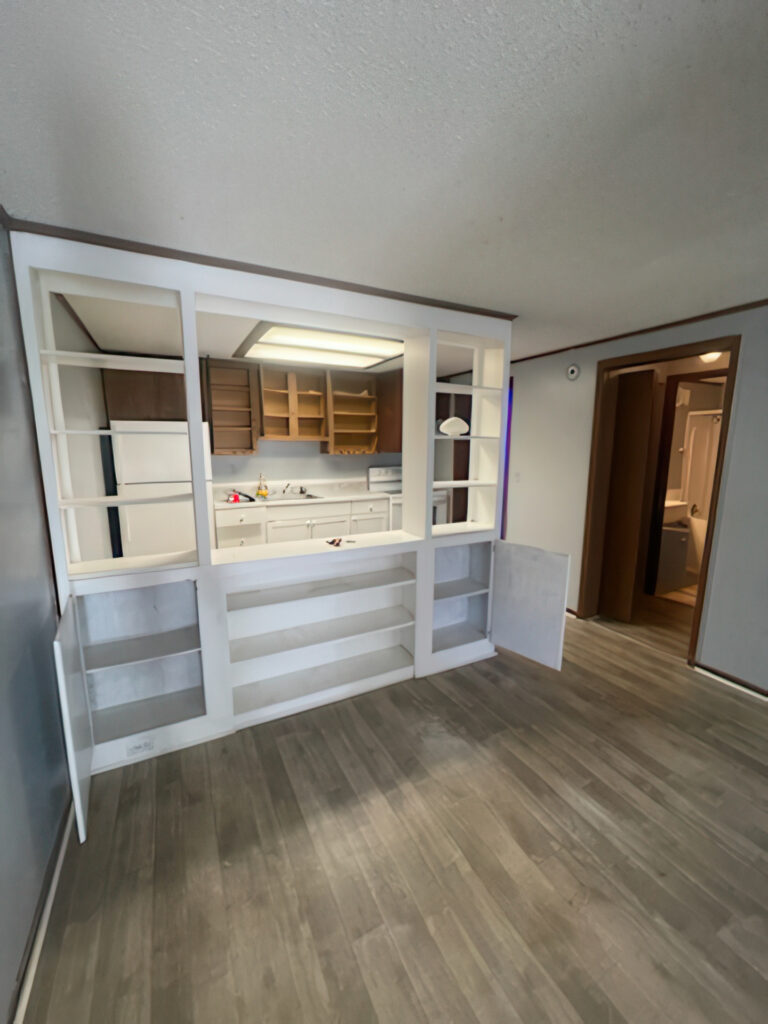
Once the physical space and access are established, the next critical step is to determine what to store and how to organize it effectively within the attic. This transforms the attic from a dumping ground into a curated extension of your home.
Prioritizing What Goes Up
The fundamental principle of attic storage is to relegate items that are not part of your daily or weekly routine to this higher plane.
Seasonal Items
Clothing, decorations, and recreational equipment that are used only during specific times of the year are prime candidates for attic storage. Think holiday decorations, winter coats, or summer beach gear.
Infrequently Used Possessions
Items that hold sentimental value but are not practical for everyday display or use can also reside in the attic. This could include heirlooms, old photo albums, or specialized hobby equipment.
Bulky but Lightweight Items
Larger items that are not frequently needed but take up significant floor space can be good candidates. Examples include spare mattresses, large storage bins for future use, or camping equipment.
Implementing Effective Storage Solutions
The organization within the attic should mirror the efficiency you strive for in the main living area.
Clear Storage Bins with Labels
Using transparent bins allows for easy identification of contents. Rigorous labeling ensures that you don’t have to open multiple boxes to find what you need.
Stackable Shelving Units
Maximize vertical space within the attic by using modular shelving. Ensure these are sturdy and appropriately sized for the ceiling height.
Drawer Units and Dressers
If the attic height permits, compact drawer units can provide organized storage for smaller items.
Specialty Organizers
Consider specialized organizers for items like seasonal clothing (garment bags), holiday decorations (ornament storage boxes), or tools.
The Importance of Accessibility for Frequently Accessed Items
While the attic is for less frequently accessed items, it’s crucial to design the organization so that items you do need periodically are not lost in the depths.
Lower Levels for Moderate Frequency
Items needed a few times a year should be placed on shelves or in bins that are more easily reachable from your access point.
Rotational Storage
Consider a system where items are rotated through different storage locations—perhaps bringing seasonal items down to more accessible shelves in your apartment a month or two before you need them.
Beyond Storage: Transforming Attic Space

Attic storage is not solely about stashing away possessions. With creative vision, the attic can be repurposed and integrated into the living experience in ways that enhance both functionality and aesthetics.
Creating a Dedicated Workspace or Sanctuary
Even with limited head height, the attic can be transformed into a functional space that provides a much-needed escape from the main living area.
A Compact Home Office
With a small desk and good lighting, the attic can become a private nook for focused work or study, shielding you from distractions in the main studio.
A Reading Nook or Meditation Space
If the height allows for comfortable seating (perhaps a floor cushion or a low chair), the attic can be a tranquil retreat for reading, contemplation, or simply enjoying a moment of solitude.
Artistic and Decorative Applications
The attic space can also be a canvas for personal expression, adding character and charm to your studio.
Display Space for Art
If the attic is well-lit, it can be used to display artwork, photographs, or other decorative items that might otherwise clutter your main living area.
Themed Decoration
Consider decorating the attic space to complement the overall aesthetic of your studio, perhaps creating a cozy ambiance or a more modern, minimalist feel.
Thematic Organization for Enhanced Living
Organizing the attic thematically can make it more intuitive and less of a chore to manage.
By Season
This is a natural fit, with separate areas for summer, winter, spring, and fall items.
By Activity or Hobby
Group items related to specific interests, such as camping gear, craft supplies, or gardening tools.
By Type of Item
A more traditional approach, with distinct sections for clothing, books, electronics, etc.
Maintaining and Optimizing Attic Storage
The long-term success of attic storage relies on consistent maintenance and a willingness to periodically reassess its contents and organization. Without this, it can devolve into a neglected void.
Regular Decluttering and Auditing
Just as you would periodically declutter your main living space, the attic requires the same attention.
Annual Purge
Dedicate time each year, perhaps during a seasonal change, to go through the attic contents. Assess what is still needed, what can be donated, and what can be discarded.
Memory Management
This is a crucial aspect for many. Consider digitizing old photos and documents to reduce physical bulk.
Pest Control and Environmental Monitoring
Attic spaces can be susceptible to pests and environmental fluctuations, which can damage stored items.
Sealing Entry Points
Ensure that any potential entry points for rodents or insects are properly sealed.
Moisture Detection
Regularly check for signs of moisture or water damage, especially if the attic is directly beneath the roof. Dehumidifiers or moisture absorbers can be beneficial.
Adapting to Changing Needs
As your life evolves, so too will your storage needs. The attic should be viewed as a dynamic space.
Reconfiguration
Be prepared to reconfigure shelving and storage solutions as your inventory changes.
Smart Storage Solutions
As storage technology evolves (e.g., vacuum-sealed bags, modular containers), consider upgrading your attic’s organizational tools.
The Psychological Benefit of an Organized Attic
A well-managed attic storage space contributes to a more peaceful and functional living environment within the studio apartment. It removes the mental burden of knowing that clutter exists, even if it’s out of sight. This allows the main living area to truly function as a sanctuary, free from the anxiety of disorganized possessions. The attic, in this context, becomes not a burden, but a testament to efficient and mindful living.
FAQs
What is a studio apartment with attic storage?
A studio apartment with attic storage is a living space that combines an open-plan main area with an additional storage area located in the attic or loft. This design maximizes the use of vertical space, providing extra room for belongings without compromising the apartment’s living area.
How does attic storage benefit studio apartment residents?
Attic storage offers studio apartment residents additional space to store items such as seasonal clothing, holiday decorations, or rarely used belongings. This helps keep the main living area uncluttered and more functional, enhancing comfort and organization.
Are there any special considerations when renting a studio apartment with attic storage?
Yes, tenants should consider factors such as accessibility to the attic storage, safety features like proper lighting and secure flooring, and any restrictions on what can be stored. It’s also important to check if the attic space is insulated and ventilated to protect stored items.
Can attic storage in a studio apartment be converted into living space?
In some cases, attic storage can be converted into additional living space, such as a sleeping loft or workspace, provided it meets local building codes and safety regulations. However, this often requires permits and renovations, so it’s essential to consult with property management or local authorities.
Is attic storage common in studio apartments?
Attic storage is not standard in all studio apartments but is more common in buildings with pitched roofs or older constructions where attic space is available. It is considered a valuable feature for those seeking extra storage without increasing the apartment’s footprint.