



Brandon, a burgeoning community, presents a compelling case for single-story residences. This architectural choice, often seen as a practical rather than merely aesthetic decision, offers a multifaceted array of advantages that resonate with a diverse demographic. From a pragmatic standpoint, single-story living can be conceptualized as an optimized solution for various life stages and daily needs, presenting itself as a more streamlined and often more sustainable housing option.
The absence of stairs fundamentally alters the functional landscape of a home, especially regarding accessibility. This is not merely a convenience but a foundational design principle that broadens the home’s utility across the entire spectrum of human experience.
Unrestricted Movement for All Ages
Single-story homes inherently remove a significant physical barrier: the staircase. For individuals with mobility challenges, whether temporary or permanent, this is not just an advantage but a necessity. Imagine a fluid internal environment, a canvas devoid of steep ascents and descents. For the elderly, the risk of falls, a pervasive concern, is markedly reduced. Consider a grandparent, a child, or an individual recovering from an injury; the single-story home acts as an accommodating vessel, allowing full, unhindered navigation. This design is akin to Universal Design principles, ensuring that a home remains functional and welcoming for every occupant, regardless of their physical capabilities at any given moment.
Future-Proofing Your Residence
Investing in a single-story home in Brandon is, in essence, investing in the future. As time progresses, individual needs and capabilities often change. A multi-story house, while perhaps charming in its initial appeal, can transform into a labyrinth of obstacles. A single-story dwelling, conversely, offers a resilient framework that adapts seamlessly to evolving circumstances. It’s a structure that ages gracefully with its inhabitants, sidestepping the costly and often intrusive renovations required to adapt a multi-story home for accessibility. This foresight can be viewed as an architectural insurance policy, ensuring that the home remains a comfortable and functional sanctuary for decades to come, regardless of the life changes encountered. This is particularly relevant in a community like Brandon, where families often establish roots and anticipate long-term residency.
Easier Adaptation for Specialized Equipment
For individuals requiring assistive devices such as wheelchairs, walkers, or even mobility scooters, the single-story layout is a breath of fresh air. Maneuvering these devices through doorways, hallways, and especially stairwells in a multi-story home can be a daily struggle, a constant negotiation with the built environment. In a single-story home, the path is clear, an open road. This eliminates the need for expensive and often aesthetically disruptive additions like stairlifts or ramps for interior access. The single-story home thus becomes a silent partner in daily life, integrating seamlessly with assistive technologies rather than presenting an antagonistic form.
Optimized Energy Efficiency
Energy consumption is a critical consideration for any homeowner, both in terms of financial cost and environmental impact. Single-story homes often present a more favorable profile in this regard due to their inherent structural characteristics.
Simplified Heating and Cooling Dynamics
When the entire living space resides on a single plane, the challenge of maintaining a consistent temperature across different levels evaporates. In multi-story homes, heat naturally rises, leading to warmer upper floors and cooler lower floors. This necessitates more complex and energy-intensive HVAC systems to equalize temperatures, often resulting in “hot spots” and “cold spots” throughout the house. A single-story home, conversely, functions as a single thermal envelope. The HVAC system has a more straightforward task, leading to more efficient distribution of heated or cooled air. This can be likened to a well-tuned engine, performing its function with minimal wasted effort.
Reduced Air Leakage and Convection
Multi-story homes, with their vertically stacked design, are more susceptible to the “stack effect.” This phenomenon involves warm air rising and escaping through upper-level openings, while cooler air is drawn in from lower levels. This continuous cycle of air leakage represents a significant drain on energy. Single-story homes, lacking this vertical stratification, are less prone to this effect. The building envelope is more compact and less porous, reducing opportunities for air infiltration and exfiltration. This translates directly into lower heating and cooling costs, a tangible benefit for any Brandon homeowner concerned with their utility bills.
Potential for Effective Solar Panel Integration
The expansive roof areas typically found on single-story homes offer an ideal canvas for solar panel installation. Without the complex rooflines and varying orientations often seen in multi-story designs, solar panels can be installed more uniformly and optimally, maximizing their exposure to sunlight throughout the day. This provides a direct path towards energy independence and reduced reliance on traditional power grids. In a community like Brandon, where sustainability is increasingly valued, this advantage is not merely economic but also aligns with broader environmental consciousness. Consider the roof as a receptive solar farm, efficiently harvesting the sun’s energy without the architectural constraints of a multi-level dwelling.
Streamlined Maintenance and Upkeep
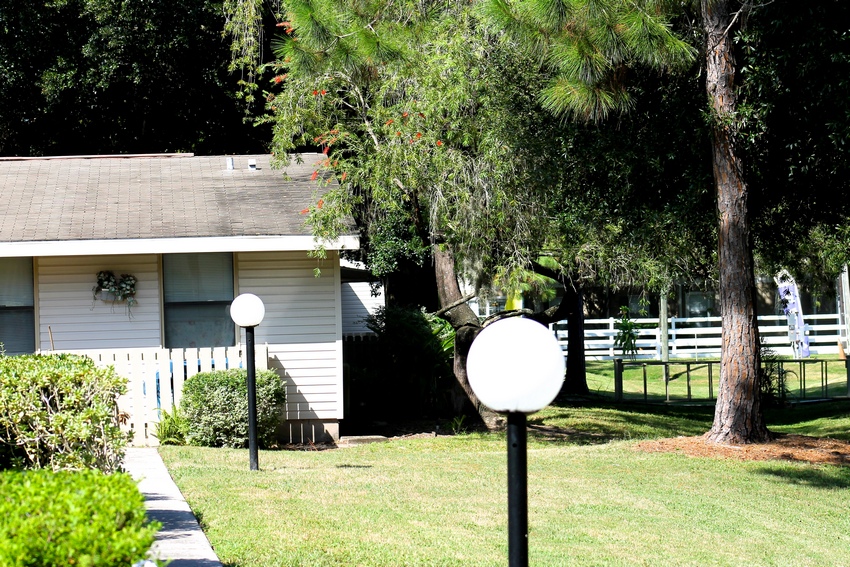
The practicalities of home ownership extend far beyond initial purchase. Ongoing maintenance is a constant companion, and single-story homes often present a more manageable and less daunting prospect.
Easier Exterior Access
Consider the simple act of cleaning gutters or painting exterior trim. In a multi-story home, these tasks often necessitate specialized equipment, ladders of daunting height, or the expense of professional services. The exterior of a single-story home, by contrast, is more readily accessible. A standard step ladder can often suffice for most tasks, transforming what might be a precarious endeavor into a more routine chore. This ease of access extends to window cleaning, roof inspections, and even minor repairs to siding or flashing. It democratizes home maintenance, placing it within reach of the average homeowner and reducing reliance on external assistance.
Simplified Interior Renovations
For interior renovations, the absence of load-bearing walls that extend vertically through multiple floors simplifies the structural considerations. While major structural changes always require professional assessment, the inherent simplicity of a single-story frame can make certain alterations less complex and costly. Moving interior walls or reconfiguring layouts tends to be more straightforward when there isn’t an entire upper floor to support. This offers homeowners greater flexibility in adapting their living space to evolving needs or aesthetic preferences without encountering the structural impediments often present in multi-story dwellings. It’s akin to having a more malleable interior, easier to shape and reshape.
Reduced Risk of Water Damage Progression
In multi-story homes, a leak on an upper floor can cascade downwards, affecting multiple levels and causing extensive damage. A burst pipe in an upstairs bathroom, for instance, could damage ceilings, walls, and flooring on the level below. In a single-story home, while water damage is certainly a concern, its destructive path is generally confined to a single plane. This can limit the scope of repairs and reduce the overall cost and disruption associated with water-related incidents. It’s a contained problem, unlike the potentially cascading effect in a multi-story structure.
Enhanced Safety and Security

Beyond accessibility and maintenance, single-story living offers tangible benefits in terms of safety and security, factors that are paramount for any homeowner.
Easier Emergency Egress
In the event of an emergency such as a fire, the ability to quickly and safely exit the home is paramount. Single-story homes offer multiple direct escape routes to the exterior from virtually any room. There are no stairwells that could become blocked or compromised, and no need for specialized escape ladders from upper-floor windows. This direct access to the outside world provides an immediate sense of security and significantly reduces the time required for evacuation, especially for individuals with limited mobility. Each window and door on the exterior becomes a potential lifeline, a clear path to safety.
Simplified Surveillance and Monitoring
For security purposes, a single-story residence is inherently easier to monitor. A comprehensive security camera system can cover all access points more efficiently, as there are no upper-level windows or balconies that might escape surveillance. Furthermore, a homeowner can more readily hear or respond to disturbances from any part of the house, as sound travels more directly within a single-level footprint. This reduced complexity in securing the perimeter contributes to a heightened sense of safety and peace of mind for residents in Brandon. It’s a perimeter that can be observed and protected with greater clarity.
Reduced Risk of Stair-Related Accidents
While mentioned in accessibility, the safety aspect of eliminating stairs warrants independent emphasis. Stairs are a leading cause of home accidents, resulting in countless injuries annually. From minor sprains to severe fractures, the risks associated with navigating stairs are omnipresent, particularly for young children, the elderly, or those with temporary physical limitations. A single-story home entirely eliminates this risk factor, transforming a potential hazard into a non-existent concern. This is not merely a convenience but a proactive measure to safeguard the well-being of all occupants.
Greater Design Flexibility and Integration
The single-story typology, far from being creatively restrictive, often unlocks unique design opportunities and fosters a deeper connection between interior and exterior spaces.
Seamless Indoor-Outdoor Flow
One of the most compelling advantages of single-story design is the inherent ability to create a fluid transition between indoor and outdoor living areas. Large sliding glass doors, French doors, or expansive window walls can open directly onto patios, gardens, or pools, blurring the lines between the built environment and nature. This creates an expansive, open feel, often elevating the perceived size of the home and enhancing livability. Imagine a continuous flow from your living room to a beautifully landscaped yard, an extension of your living space under the Brandon sun. This allows natural light to permeate the living spaces more deeply and provides more opportunities for natural ventilation.
Versatile Layout Possibilities
Without the structural constraints imposed by upper floors, architects and designers often have greater freedom in configuring interior layouts. Open-concept living spaces, which are highly sought after, are particularly well-suited to single-story homes. The absence of an upstairs means that kitchen, dining, and living areas can truly merge into one expansive, communal zone, fostering a sense of connection and facilitating social interaction. This flexibility also extends to custom room configurations, allowing for unique spaces that perfectly align with a homeowner’s specific lifestyle and preferences. The single-story floor plan becomes a blank canvas, offering more freedom to shape the internal environment.
Easier Foundation and Structural Considerations
From a construction perspective, building on a single level often simplifies foundation requirements. The load-bearing walls are typically more uniformly distributed, leading to potentially less complex and costly foundation work compared to multi-story structures with intricate load paths. While engineering is always crucial, the fundamental structural logic of a single-story building is generally more straightforward. This can translate into more predictable construction timelines and potentially reduced building costs, making the single-story option an attractive proposition for those considering building a new home in Brandon.
Enhanced Natural Light Distribution
With all rooms on one level, natural light can be more evenly distributed throughout the home. Unlike upper floors which might overshadow lower levels in a multi-story house, single-story designs can often incorporate skylights, strategically placed windows, and larger openings to bathe every corner of the home in sunlight. This not only creates a brighter, more inviting atmosphere but can also reduce the reliance on artificial lighting during daylight hours, contributing to energy savings. The single story acts as a light reservoir, efficiently capturing and distributing natural illumination.
Community and Neighborhood Integration
The choice of a single-story home can also subtly influence one’s interaction with the surrounding community and foster a particular neighborhood aesthetic.
Consistent Neighborhood Aesthetic
In communities where single-story homes are prevalent, there is often a consistent and harmonious architectural aesthetic. This uniformity can contribute to a strong sense of place and visual coherence within the neighborhood. The absence of towering structures can create a more open and inviting streetscape, fostering a sense of community where homes are less imposing and more welcoming. This horizontal emphasis can make a neighborhood feel more grounded and integrated, rather than a vertical patchwork of differing heights.
Opportunity for Larger Yards and Outdoor Spaces
By spreading the living area horizontally rather than vertically, single-story homes often allow for more expansive yards and outdoor living spaces. This provides greater opportunities for landscaping, gardens, play areas for children, or dedicated outdoor entertainment zones. In Brandon, where outdoor living is often prized, this added green space can significantly enhance the quality of life and provide a valuable connection to nature. The home becomes a natural extension of its outdoor domain, a seamless blend of interior comfort and exterior vitality.
Potential for Community Interaction
The lower profiles of single-story homes, coupled with larger yards, can sometimes foster greater interaction among neighbors. Without commanding views from upper floors, residents might be more inclined to spend time in their front yards or engage in sidewalk conversations. This horizontal orientation often encourages a more connected and engaged street-level community, where greetings are exchanged and impromptu interactions are more common. This contributes to the building of social capital within a neighborhood, making a community like Brandon feel more cohesive and friendly.
Conclusion
The advantages of single-story living in Brandon are extensive and varied, touching upon aspects of accessibility, energy efficiency, maintenance, safety, design, and community integration. This architectural choice is more than just a preference; it is a pragmatic decision that offers long-term benefits across various life stages. For those seeking a home that prioritizes ease of living, future adaptability, and a harmonious connection with both interior and exterior environments, the single-story residence presents itself as an exceptionally viable and often superior option. It is a testament to the idea that simplicity can indeed be the ultimate sophistication, providing a foundation for a comfortable and well-integrated life within the Brandon community.
FAQs
What is Single Story Living in Brandon?
Single Story Living in Brandon refers to residential homes designed with all main living spaces on one level, offering convenience and accessibility without the need for stairs.
What are the benefits of Single Story Homes in Brandon?
Benefits include easier mobility, especially for seniors or those with disabilities, simpler maintenance, and often more efficient use of space compared to multi-story homes.
Are Single Story Homes common in Brandon?
Yes, Single Story Homes are popular in Brandon due to their practicality and appeal to a wide range of homeowners, including families and retirees.
What types of Single Story Homes are available in Brandon?
Brandon offers various styles of Single Story Homes, including ranch-style houses, bungalows, and modern designs, catering to different tastes and budgets.
How can I find Single Story Homes for sale in Brandon?
You can find Single Story Homes in Brandon by consulting local real estate agents, browsing online property listings, or visiting open houses in neighborhoods known for single-level living.