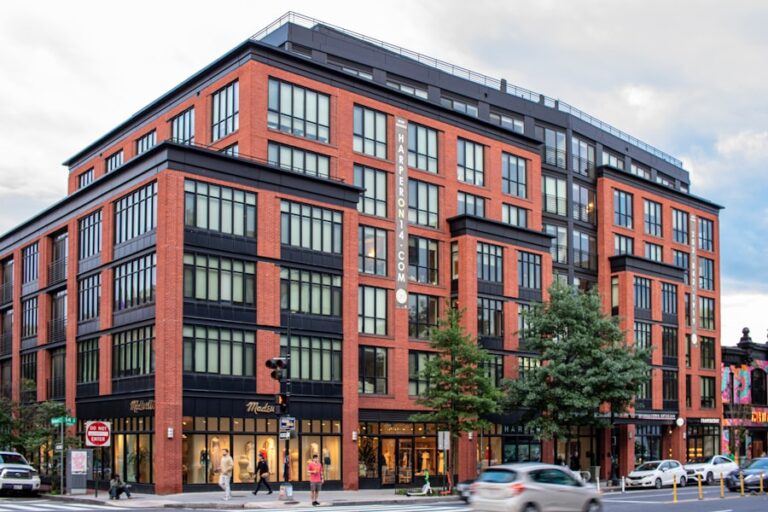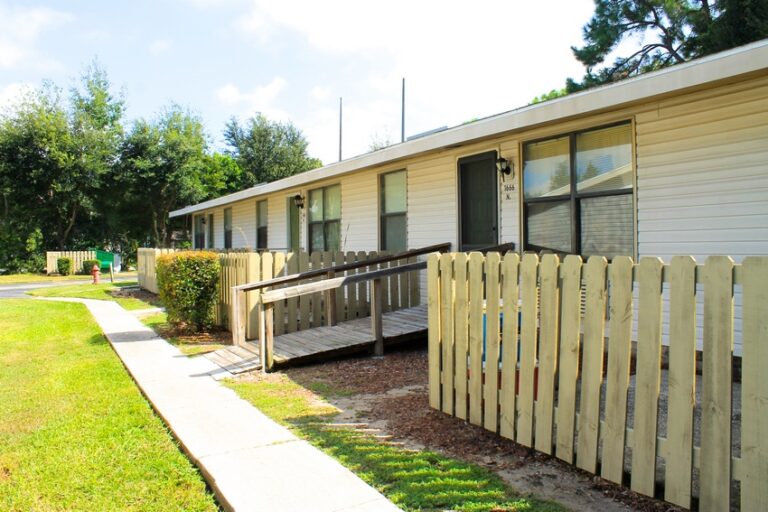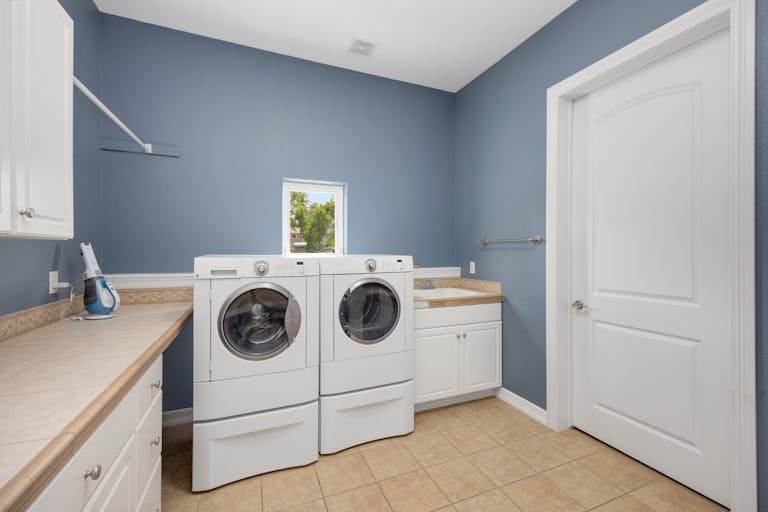
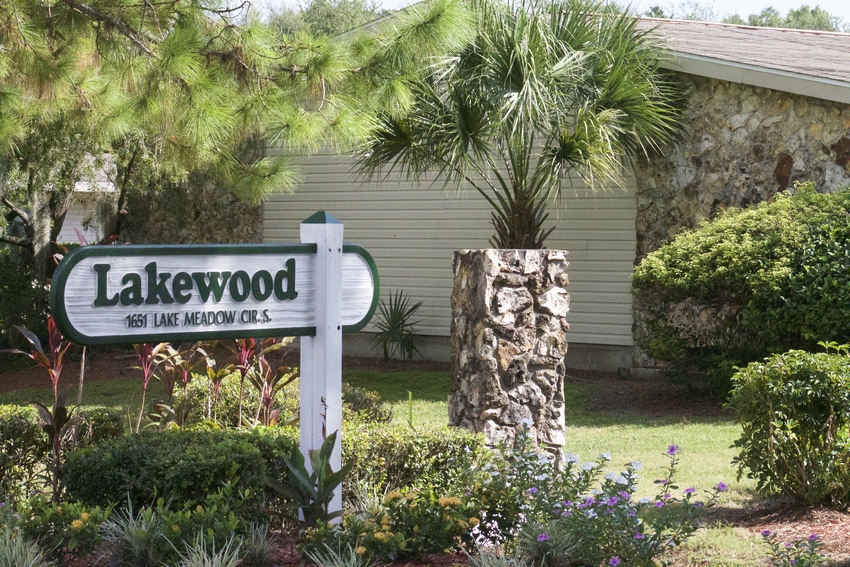
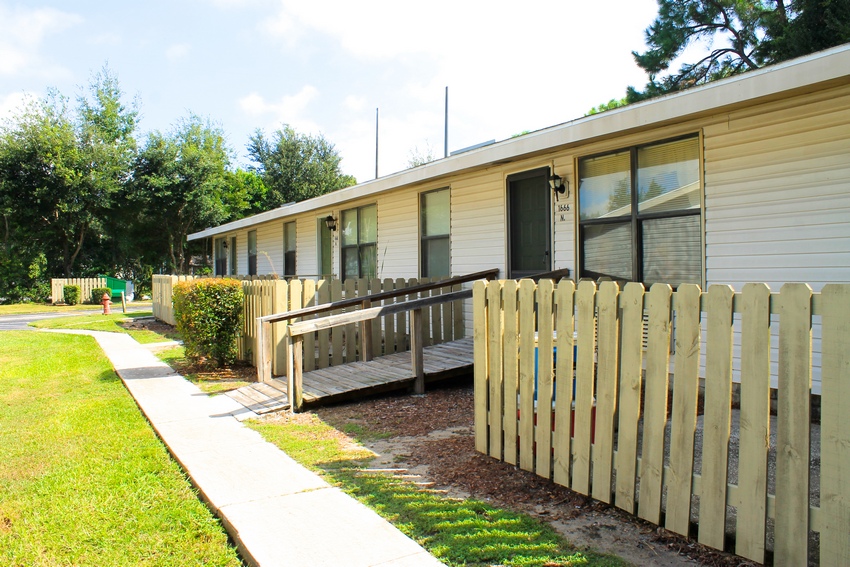
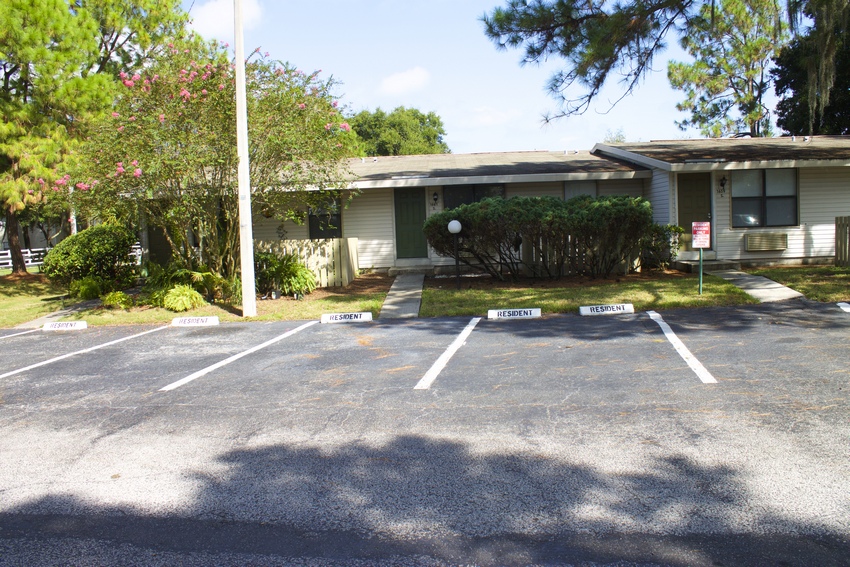
Affordable housing, particularly in burgeoning areas like Brandon, Florida, presents a significant challenge and opportunity for many individuals and families. This article aims to provide a comprehensive overview of affordable apartment options in Brandon, FL, navigating the various factors that influence affordability, and offering practical strategies for securing budget-friendly living arrangements. Brandon, located in Hillsborough County, southeast of Tampa, has experienced substantial growth, leading to increased demand for housing. Consequently, understanding the nuances of the local rental market is crucial for those seeking economical solutions.
Brandon’s housing market, like many suburban areas in central Florida, is characterized by a dynamic interplay of supply and demand, economic indicators, and demographic shifts. While often perceived as a more accessible alternative to downtown Tampa, rising property values and rental rates have made “affordable” a relative term. However, opportunities for budget-friendly living persist for the informed and diligent seeker.
Understanding Brandon’s Economic Context
Brandon’s economy is diversified, encompassing retail, healthcare, education, and services. Major employers contribute to a robust job market, drawing in residents from various income brackets. This economic activity, while beneficial for employment, also fuels housing demand. The interplay between median household income and median rental costs is a critical metric for assessing affordability. A commonly accepted guideline suggests that housing costs should not exceed 30% of a household’s gross income. In Brandon, achieving this benchmark often requires careful budgeting and exploration of all available options.
Defining “Affordable” in Brandon
The definition of “affordable” is subjective and dependent on individual financial circumstances. However, government programs and housing authorities often utilize specific income thresholds to define affordability. For example, individuals earning 80% or less of the Area Median Income (AMI) are typically considered eligible for various affordable housing initiatives. Understanding these benchmarks can be a compass guiding your search for eligible properties. Without such frameworks, the concept of affordability can become an elusive phantom.
Navigating Affordable Housing Programs and Resources
Securing an affordable apartment in Brandon often involves leveraging available programs and resources designed to assist low-to-moderate income individuals and families. These initiatives act as a safety net, making housing more attainable.
Government-Assisted Housing Programs
The most prominent federal program is the Section 8 Housing Choice Voucher Program, administered locally by the Hillsborough County Affordable Housing Services Department. This program provides rental subsidies to eligible low-income families, the elderly, and people with disabilities, allowing them to afford decent, safe, and sanitary housing in the private market. The demand for Section 8 vouchers often far exceeds the supply, resulting in lengthy waiting lists. Persistence and timely application are key.
- Eligibility Criteria: Typically based on income, family size, and citizenship/eligible immigrant status.
- Application Process: Involves submitting an application, often online, and patiently awaiting allocation.
- Program Benefits: Reduced rental burden, allowing households to allocate more resources to other necessities like food and healthcare.
Low-Income Housing Tax Credit (LIHTC) Properties
The Low-Income Housing Tax Credit (LIHTC) program is a federal initiative that incentivizes the development and rehabilitation of affordable rental housing. Developers receive tax credits in exchange for reserving a certain percentage of units for lower-income tenants at restricted rents. These properties are a cornerstone of affordable housing in many communities, including Brandon.
- Rent Restrictions: Rents are capped based on a percentage of the AMI, ensuring affordability for eligible tenants.
- Income Limits: Prospective tenants must meet specific income requirements, which vary based on family size and the property’s location.
- Application Process: Requires direct application to the specific LIHTC property, as they often maintain their own waiting lists.
Local Initiatives and Non-Profits
Beyond federal programs, local government and non-profit organizations in Hillsborough County sometimes offer additional housing assistance. These can include rental assistance programs, first-time homebuyer assistance, or resources for those experiencing homelessness. Think of these organizations as local lighthouses, guiding you through stormy financial waters.
- Hillsborough County Affordable Housing Services: Provides information and assistance for various housing programs.
- Local Non-Profit Organizations: Many community-based organizations offer direct aid, counseling, or referrals to housing resources. Researching these local entities can uncover hidden gems of support.
Strategic Apartment Hunting: Unearthing Budget-Friendly Options
Even without direct assistance, a strategic approach to apartment hunting can significantly improve your chances of finding an affordable apartment in Brandon. This involves a combination of diligent research, flexibility, and proactive engagement.
Expanding Your Search Parameters
While Brandon itself offers a range of options, consider widening your geographical net to include neighboring communities that may offer lower rental rates. Commute times and transportation costs must, of course, be factored into your overall budget.
- Nearby Communities: Valrico, Seffner, Riverview, and portions of Plant City can offer slightly lower rents for comparable properties.
- Public Transportation Access: Evaluate the proximity of potential apartments to public transit routes if relying on it for your commute.
Leveraging Online Resources and Property Managers
The internet is a powerful tool in your search. Websites dedicated to rental listings, coupled with direct communication with property management companies, can streamline the process.
- Rental Listing Websites: Platforms like Zillow, Apartments.com, and Rent.com allow you to filter by price, number of bedrooms, and other amenities. Be sure to check daily for new listings.
- Property Management Company Websites: Many large apartment complexes are managed by professional companies. Visiting their individual websites can reveal specific deals or availability not always advertised elsewhere.
The Power of Flexibility and Compromise
Affordability often requires compromise. Being flexible on certain amenities, unit size, or even the age of the building can open up a broader range of budget-friendly options.
- Older Buildings: While newer complexes often boast modern amenities, older properties may offer lower rents due to their age, even if they are well-maintained.
- Fewer Amenities: Apartments without a pool, gym, or other communal facilities often come with a lower price tag. Assess which amenities are truly necessities versus luxuries.
- Smaller Units: A studio or one-bedroom apartment will almost always be more affordable than a two or three-bedroom unit.
The Application Process: Presenting Your Best Self
Once you’ve identified potential affordable apartments, navigating the application process effectively is crucial. This is your opportunity to present yourself as a reliable and responsible tenant.
Preparing Your Application Documents
Having all necessary documentation ready can significantly expedite the application process, which is particularly important in a competitive rental market.
- Proof of Income: Pay stubs, employment verification letters, or tax returns.
- Identification: Government-issued ID, such as a driver’s license or passport.
- Rental History: Contact information for previous landlords.
- Credit Report: While landlords will typically run their own, being aware of your credit score can prepare you.
Understanding Application Fees and Security Deposits
Be prepared for application fees and security deposits, which are standard components of the rental process. These can represent a significant upfront cost.
- Application Fees: Non-refundable fees to cover the cost of background checks and credit checks.
- Security Deposits: Typically one month’s rent, held by the landlord as security against damages or unpaid rent. This is usually refundable at the end of the lease, provided the property is left in good condition.
Communicating Effectively with Landlords
Clear and timely communication with potential landlords or property managers is paramount. Being responsive and professional can leave a positive impression.
- Ask Pertinent Questions: Inquire about lease terms, pet policies, utility costs, and maintenance protocols.
- Follow Up: A polite follow-up after submitting your application can demonstrate your continued interest.
Beyond the Rent: Calculating the True Cost of Living
The stated rent is only one piece of the financial puzzle. A comprehensive understanding of your monthly expenses requires accounting for various ancillary costs, turning seemingly affordable rent into a deceptive siren’s song.
Utility Costs: The Hidden Variables
Utilities can significantly impact your overall monthly housing expenses. These vary depending on the apartment’s size, age, and your consumption habits.
- Electricity: The largest utility expense in Florida, particularly during the hot summer months. Inquire about average monthly electricity bills from previous tenants if possible.
- Water and Sewer: Often billed by the landlord or directly to the tenant.
- Trash and Recycling: May be included in the rent, or a separate fee.
- Internet and Cable: Essential for most modern households, these costs must be budgeted for.
Transportation Expenses
Your proximity to work, school, and essential services directly impacts your transportation budget. Longer commutes or reliance on ride-sharing services can quickly erode any savings from lower rent.
- Gasoline: A variable cost, but a significant one for commuters.
- Vehicle Maintenance: Regular upkeep, insurance, and potential repairs.
- Public Transportation: Brandon operates a limited public transportation system (HART). Research routes and schedules if you plan to rely on it.
Other Living Expenses
Beyond housing and transportation, remember to factor in food, healthcare, personal care, and entertainment. A holistic budget paints the truest picture of affordability.
- Groceries: Research local grocery store prices and consider meal planning to save money.
- Insurance: Renter’s insurance is highly recommended, protecting your belongings from unforeseen circumstances. Often, it is a very affordable safeguard.
Common Pitfalls and How to Avoid Them
The journey to affordable housing can have its share of obstacles. Being aware of common pitfalls can help you navigate them effectively.
Falling for Rental Scams
Unfortunately, rental scams are prevalent. Be vigilant and exercise caution, especially with deals that seem too good to be true.
- Avoid Wire Transfers: Never wire money to someone you don’t know or for an apartment you haven’t seen.
- Verify Identity: Ensure you are communicating with the legitimate landlord or property manager.
- Never Pay Before Viewing: Insist on touring the apartment in person or via a reputable virtual tour.
Underestimating Total Costs
As discussed, focusing solely on rent can lead to financial strain. A thorough analysis of all potential expenses is crucial.
- Create a Detailed Budget: Account for all fixed and variable expenses before committing to a lease. Think of your budget as a financial blueprint for your life in Brandon.
- Build an Emergency Fund: Unexpected costs can arise. Having a financial cushion is an invaluable asset.
Neglecting Lease Agreement Details
The lease agreement is a legally binding contract. Read it thoroughly and understand all terms and conditions before signing.
- Pet Policies: If you have pets, ensure their inclusion is explicitly stated and understood.
- Maintenance Responsibilities: Clarify who is responsible for various repairs and maintenance tasks.
- Early Termination Clauses: Understand the financial penalties for breaking the lease early.
In conclusion, finding an affordable apartment in Brandon, FL, is certainly achievable, but it requires diligent effort, strategic planning, and a comprehensive understanding of the local housing market. By leveraging available programs, expanding your search, and meticulously calculating all costs, you can unlock the door to budget-friendly living in this dynamic Florida community. Your journey ultimately hinges on your commitment to informed decision-making and your ability to adapt to the realities of the local rental landscape.
FAQs
What is the average rent for affordable apartments in Brandon, FL?
The average rent for affordable apartments in Brandon, FL typically ranges from $800 to $1,200 per month, depending on the size, location, and amenities of the unit.
Are there income requirements to qualify for affordable apartments in Brandon, FL?
Yes, many affordable apartments in Brandon, FL have income limits based on household size and local area median income (AMI). Applicants usually need to provide proof of income to qualify.
What types of affordable apartments are available in Brandon, FL?
Brandon offers a variety of affordable apartment types, including studios, one-bedroom, two-bedroom, and sometimes three-bedroom units, catering to individuals, couples, and families.
Are utilities typically included in the rent for affordable apartments in Brandon?
In some affordable apartment communities in Brandon, certain utilities such as water, trash, or electricity may be included in the rent, but this varies by property. It is important to check with the landlord or management.
Where can I find listings for affordable apartments in Brandon, FL?
Affordable apartment listings in Brandon, FL can be found on local housing authority websites, real estate platforms like Zillow or Apartments.com, and through community organizations that assist with housing.