


The concept of “room to breathe” in a residential setting translates to the provision of adequate space and thoughtful spatial design that fosters a sense of comfort, independence, and personal sanctuary. In many urban and suburban environments, this commodity can be scarce, leading to a feeling of being confined rather than at ease within one’s own dwelling. This article examines how a specific 2-bedroom layout design achieves this “room to breathe” effect, making it feel akin to inhabiting a private home, even within a multi-unit residential structure. The focus is on the objective architectural and design elements that contribute to this perception.
A 2-bedroom layout, by definition, offers a division of space that is inherently more generous than a studio or 1-bedroom apartment. However, the mere presence of two bedrooms does not automatically equate to a feeling of ample room. The efficacy of a 2-bedroom layout in providing a sense of “room to breathe” is significantly influenced by its underlying blueprint. This encompasses the overall square footage, the configuration of individual rooms, and the strategic placement of common areas.
Generous Footprint: More Than Just Numbers
The square footage allocated to a 2-bedroom unit serves as the foundational canvas upon which spaciousness is painted. A larger overall footprint allows for more substantial individual rooms and incorporates broader circulation paths, preventing the feeling of being hemmed in.
Beyond the Minimum: The Impact of Extra Square Footage
While minimum building codes dictate certain room sizes, a layout that exceeds these minimums by a discernible margin directly contributes to the perception of spaciousness. This extra space functions like a buffer, absorbing the daily activities of life without feeling cluttered. It allows for more flexible furniture arrangements and provides a sense of breathing room in areas typically prone to congestion.
The Long and Short of It: Aspect Ratio and Room Dimensions
The aspect ratio of rooms, meaning the relationship between their length and width, also plays a critical role. Long, narrow rooms can feel restrictive, whereas more balanced dimensions create a more visually expansive and functional space. A well-designed 2-bedroom layout will prioritize room dimensions that feel proportionate and comfortable for a variety of uses, from relaxation to work.
Strategic Segregation: Defining Private and Communal Zones
A key element in achieving “room to breathe” is the deliberate separation of private sleeping quarters from communal living areas. This segregation allows for distinct moods and functionalities within the dwelling, preventing the encroachment of one activity into another.
The Sanctuary of Sleep: Bedroom Placement and Privacy
The placement of the bedrooms is paramount. Ideally, they should be situated away from the primary noise sources of the building and the main living areas. This isolation acts as a natural sound dampener and visual barrier, allowing occupants to retreat into a peaceful environment.
Buffer Zones: Hallways and Vestibules
Hallways and vestibules, often overlooked, can serve as crucial buffer zones. A well-designed hallway, sufficiently wide and free of clutter, can act as a transition space, mentally and physically separating the bedrooms from the communal areas even further. It’s like a quiet ante-chamber before entering a private sanctum.
Independent Spaces: Minimizing Adjacencies
The degree to which bedroom walls are adjacent to common areas or other units is also a factor. Layouts that minimize direct wall-sharing between bedrooms and high-traffic zones, or between bedrooms themselves, enhance acoustic and visual privacy, thereby increasing the feeling of individual space.
The Heart of the Home: Integrated Living and Dining
Conversely, the communal zones – the living room, dining area, and kitchen – are often designed to flow seamlessly into one another. This integration promotes a sense of connection and allows for efficient use of space when entertaining or engaging in shared activities.
Open-Concept Flow: Encouraging Interaction
An open-concept design in the living, dining, and kitchen areas allows light and movement to flow freely. This interconnectedness creates a larger perceived space, eliminating the visual barriers that can make smaller apartments feel cramped. It’s akin to shedding layers of constraint, revealing a more expansive whole.
Functional Zones: Defining Purpose Within Openness
While open, these areas can still be subtly defined by furniture placement, flooring changes, or subtle architectural cues. This allows for distinct functional zones within the larger open space, ensuring that each area serves its purpose without feeling chaotic or undefined.
The Architecture of Airflow: Light and Ventilation as Space Expanders
The perception of spaciousness is not solely determined by physical dimensions; it is also significantly influenced by how light and air interact with the space. Well-executed natural light penetration and effective ventilation can dramatically alter the feel of a dwelling, making it feel larger and more inviting.
Harnessing Natural Light: Brightness as an Illusion of Immensity
Natural sunlight is a powerful tool in spatial design. Its presence can make rooms feel larger, more vibrant, and less oppressive. Strategic window placement and design are key to maximizing its impact.
Window Placement: Capturing the Sun’s Geometry
The number, size, and location of windows are critical. Windows positioned to capture sunlight throughout the day, and particularly those that offer views of the exterior, can create a strong connection to the outside world, extending the perceived boundaries of the living space.
Aspect and Orientation: Working with the Celestial Clock
The orientation of the dwelling and its windows relative to the sun’s path is important. East-facing windows capture morning light, providing a bright start to the day, while west-facing windows offer dramatic evening illumination. North-facing windows provide consistent, diffused light, ideal for artistic endeavors.
Window Size and Type: Maximizing Light Ingress
Larger windows, such as floor-to-ceiling or bay windows, allow for a greater influx of natural light. Different window types, like casement or sliding windows, can offer different ventilation options and aesthetic qualities, further contributing to the overall ambiance.
Interior Finishes: Reflecting and Amplifying Brilliance
The choice of interior finishes plays a crucial role in how light is perceived. Light-colored walls and ceilings act as natural reflectors, bouncing light deeper into the space and making rooms appear larger.
Lighter Palettes: The Power of Subtraction
Using paler hues for walls, ceilings, and even significant furniture pieces creates an effect of lightness. This is not about an absence of color, but rather a strategic choice that diminishes visual “weight,” allowing the space to feel more open and airy.
Gloss and Sheen: Redirecting Illumination
Subtly glossy finishes on certain surfaces can also contribute to light reflection. A carefully chosen semi-gloss paint on trim or a polished floor can act like a mirror to the available light, subtly amplifying its reach.
The Breath of Freshness: Ventilation and Air Quality
Beyond light, the circulation of air is essential for a comfortable and spacious feeling. Stale air can make a space feel close and stagnant, negating even generous dimensions.
Cross-Ventilation: The Natural Air Mover
Designing for cross-ventilation, where windows are strategically placed on opposite sides of an area or building, allows for natural airflow. This creates a gentle breeze that moves air throughout the dwelling, preventing stagnation and subtly pushing the perceived boundaries of the interior.
Opposite Openings: Creating an Air Corridor
The presence of openings on opposing walls, such as a window in the living room and a window in a bedroom or kitchen, facilitates this natural air movement. It’s like opening both ends of a tunnel, allowing the air to rush through.
Bedroom Ventilation: Ensuring Restful Atmospheres
Proper ventilation in bedrooms is particularly important for sleep quality. Well-placed windows or vents ensure that sleeping areas remain fresh and comfortable throughout the night.
Mechanical Ventilation: Augmenting Nature’s Work
In situations where natural ventilation is limited, mechanical ventilation systems can supplement airflow. Range hoods in kitchens and exhaust fans in bathrooms actively remove moisture and odors, contributing to a fresher overall environment.
The Art of Flow: Circulation Paths and Spatial Harmony
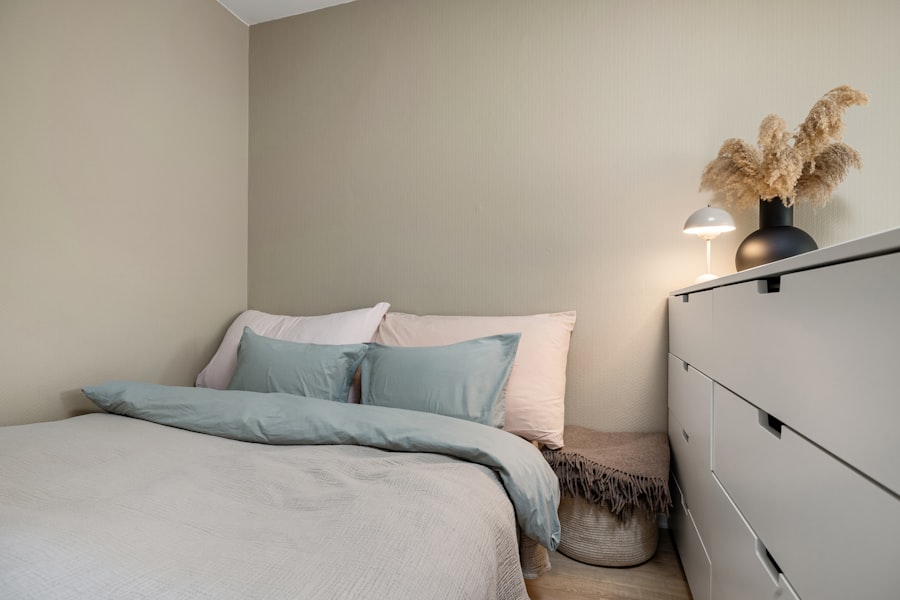
How one moves through a dwelling is as important as the size of the rooms themselves. Efficient and unobstructed circulation paths contribute significantly to the feeling of “room to breathe.”
Uninterrupted Movement: Eliminating Bottlenecks
A well-designed layout minimizes the need for awkward detours or tight squeezes. The primary pathways through the apartment should feel natural and intuitive, allowing for easy transition between different areas.
Generous Hallways and Corridors: The Invisible Framework
As mentioned earlier, hallways are not mere passages but integral parts of the spatial experience. Hallways that are adequately wide and free from obstructions allow for comfortable movement without the feeling of being confined. They are the circulatory system of the home.
Avoiding Dead Ends: Creating Logical Transitions
Layouts that avoid dead-end corridors or convoluted routes enhance the sense of flow. Each turn should lead logically to the next space, creating a sense of order and ease.
Furniture Placement and Traffic Flow: A Delicate Balance
Intelligent furniture placement is crucial in maintaining clear circulation paths. Avoiding placing large furniture pieces in the middle of high-traffic areas ensures that the intended flow is not disrupted.
The Open Door Policy: Visual Connectivity and Psychological Expansion
The way doors are used and the way sightlines are maintained can also influence the perception of space. Open doors and unobstructed views can make a dwelling feel more expansive.
Pocket Doors and Sliding Doors: Space-Saving Ingenuity
In areas where space is at a premium, the use of pocket doors or sliding doors can be a clever solution. These doors retract into the wall or slide along its surface, eliminating the need for a large swing radius and freeing up valuable floor space.
Maximizing Usable Area: Reclaiming Lost Square Footage
By reducing the space required for door operation, these solutions effectively “reclaim” square footage that would otherwise be dedicated to the door’s arc of movement. This is particularly beneficial in smaller rooms or tight corners.
Sightlines Across Spaces: The Illusion of Depth
Maintaining sightlines between rooms, where appropriate, can create an illusion of greater depth. Being able to see from one area into another, even if they are distinct, can make the overall dwelling feel more open and interconnected.
Strategic Openings: Connecting Without Commingling
Carefully placed openings, perhaps a doorway without a door between the living room and dining area, or a view into a kitchen from the living space, can enhance this sense of visual connection without compromising the distinct functional purpose of each area.
The Personal Touch: Storage Solutions and Clutter Control
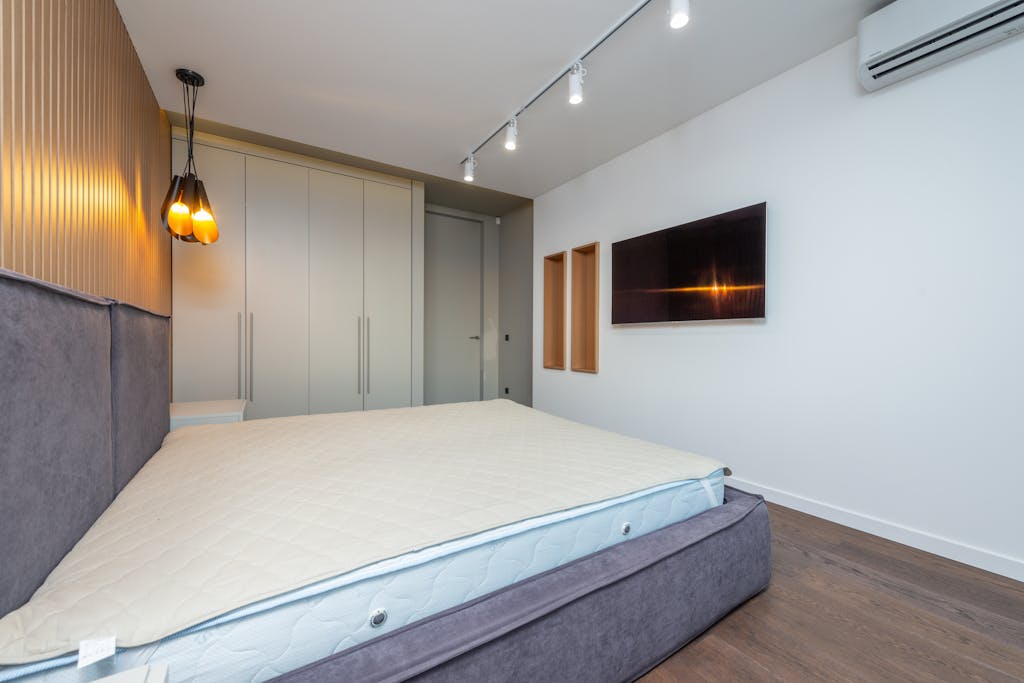
The feeling of having “room to breathe” is intrinsically linked to the ability to keep living spaces uncluttered. A well-designed layout incorporates ample and intelligent storage solutions.
Integrated Storage: The Foundation of an Organized Dwelling
Adequate and thoughtfully integrated storage is not an afterthought; it is a fundamental aspect of a habitable and spacious home.
Built-in Closets and Cabinets: Maximizing Vertical Space
Built-in storage, such as deep closets and custom cabinetry, utilizes vertical space effectively and integrates seamlessly into the architecture. This avoids the visual clutter that can be created by freestanding furniture.
Optimizing Floor Area: Keeping the Floor Clear
By providing dedicated spaces for belongings, built-in storage helps to keep floors clear, contributing to a more open and organized feel. This is especially important in high-traffic areas.
Discreetly Stowing Away: Maintaining Aesthetic Harmony
Well-designed built-in storage can be discreet, blending into the wall’s design or featuring flush doors, ensuring that it does not detract from the overall aesthetic of the space.
Multi-functional Furniture: Doubling Down on Utility
Furniture that serves multiple purposes can also contribute to efficient space utilization and clutter reduction.
Storage Ottomans and Coffee Tables: Hidden Havens
Ottomans with internal storage compartments or coffee tables with drawers offer convenient places to stow away items like blankets, magazines, or remotes.
Beds with Under-Storage: Unlocking Hidden Capacity
Beds with built-in drawers or lift-up frames provide significant storage space for linens, seasonal clothing, or other items, effectively doubling the utility of the bedroom.
Decluttering the Mind: The Psychological Impact of Order
The physical act of decluttering has a profound psychological effect. A tidy living space promotes a sense of calm and control, amplifying the feeling of having ample room to think and relax.
Creating Dedicated Zones for Belongings: A Place for Everything
Having specific places for everyday items – keys by the door, mail in a designated tray, books on shelves – reduces the mental load of constant searching and tidying.
Minimizing Visual Noise: Reducing Cognitive Load
When spaces are organized, there is less visual “noise” competing for attention. This allows the mind to focus and relax, contributing to a deeper sense of peace and spaciousness.
The Aesthetics of Simplicity: Less is Often More
Embracing a philosophy of intentionality in possessions, where each item has a purpose or brings joy, can lead to a more refined and less cluttered living environment, further enhancing the feeling of abundant space.
Beyond the Walls: Exterior Elements and Their Interior Impact
The perception of spaciousness within a dwelling is not solely dictated by its internal architecture. External elements, such as balconies, patios, and views, play a significant role in extending the living experience beyond the confines of the apartment itself.
Private Outdoor Escapes: Expanding the Living Area
For many, the ideal of a private home includes an outdoor space. In a 2-bedroom layout designed for maximum “room to breathe,” this often translates to private balconies or patios.
Balconies as Extensions: Adding Functional Square Footage
A well-proportioned balcony can effectively act as an additional room, especially during temperate weather. It provides space for relaxation, dining, or simply enjoying fresh air and a change of scenery, thereby extending the functional living area of the apartment.
Facilitating Outdoor Activities: From Morning Coffee to Evening Relaxation
This space can be furnished to accommodate a small table and chairs, a comfortable lounge chair, or even a small herb garden, transforming it into a usable extension of the interior living space.
Enhancing Natural Light and Airflow: Bringing the Outside In
Balconies also contribute to natural light by allowing more sun to enter through adjacent windows and can improve airflow when doors and windows are open.
Patios and Ground-Level Access: Direct Connection to the Outdoors
For units with ground-level access, private patios offer a similar extension of living space, often with more room for landscaping and outdoor activities.
Creating a Personal Oasis: Cultivating a Private Green Space
A patio can be personalized with plants, outdoor furniture, and decorative elements to create a true personal oasis, further blurring the lines between indoor and outdoor living.
Increased Sense of Freedom: Unfettered Access to Fresh Air
Direct access to an outdoor space provides a palpable sense of freedom and connection to the environment, crucial elements in the feeling of having “room to breathe.”
The Power of the View: A Window to the World
The quality and nature of the view from a dwelling can significantly influence the perception of its spaciousness.
Unobstructed Vistas: Avoiding Visual Clutter
A view that is open and unobstructed, whether it’s of a park, cityscape, or natural landscape, can create a sense of depth and escape. This is a visual expansion that transcends physical boundaries.
Creating Depth and Perspective: Expanding the Perceived Horizon
An expansive view acts like a natural painting, drawing the eye outwards and creating a sense of limitless space, countering any feelings of confinement.
Connection to the Outside World: A Constant Renewing Scenery
The ability to see the world outside, to observe the changing seasons or the activity of the day, fosters a connection to something larger than the immediate living space, contributing to a more expansive perspective.
Architectural Integration: Views as Design Elements
In well-designed 2-bedroom layouts, views are often considered an integral part of the architectural design, with windows and living areas strategically oriented to maximize their impact. This thoughtful integration ensures that the external environment actively enhances the internal experience.
FAQs
What makes the 2-bedroom layouts feel like a private home?
The 2-bedroom layouts are designed with spacious living areas, separate bedrooms, and private bathrooms, creating a home-like atmosphere that offers comfort and privacy similar to a standalone house.
How is privacy maintained in these 2-bedroom layouts?
Privacy is maintained through thoughtful floor plans that separate bedrooms from common areas, soundproofing features, and individual entrances or designated personal spaces within the unit.
Are the 2-bedroom layouts suitable for families or roommates?
Yes, these layouts are ideal for families or roommates as they provide separate bedrooms and ample living space, allowing each occupant to have their own private area while sharing communal spaces comfortably.
What amenities are typically included in these 2-bedroom layouts?
Amenities often include full kitchens, multiple bathrooms, spacious living and dining areas, storage spaces, and sometimes private balconies or patios, all contributing to a home-like living experience.
How do these layouts compare in size to traditional apartments?
These 2-bedroom layouts generally offer more square footage and better room separation than traditional apartments, giving residents more space to move around and a layout that mimics the feel of a private home.